Coping with Anxiety and Stress: Proven Techniques for Inner Peace
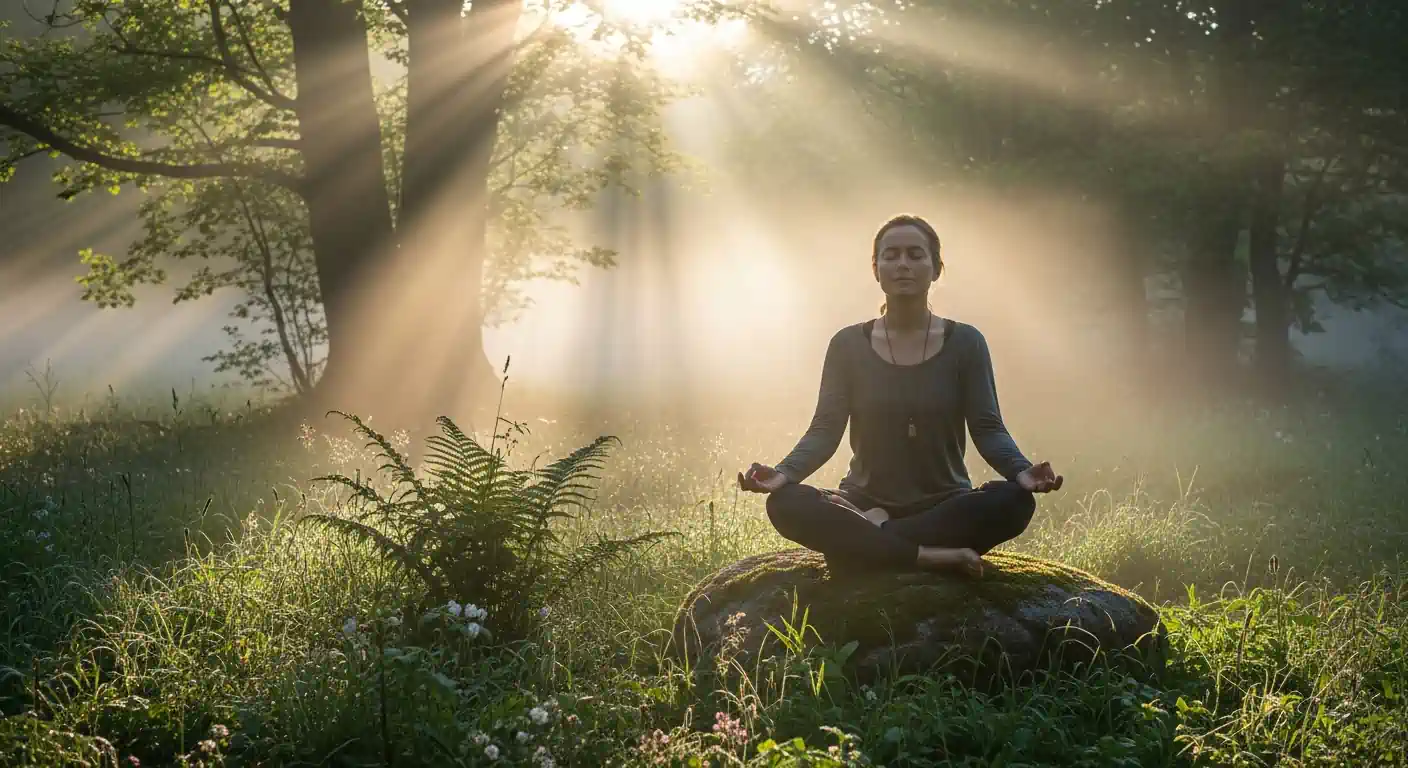
Living with persistent anxiety and overwhelming stress can significantly diminish your quality of life. Fortunately, a wealth of evidence-based strategies exist to help you regain control and cultivate a sense of inner peace. This guide delves into practical, proven techniques for coping with anxiety and stress, empowering you to navigate life's challenges with greater resilience and calm. By incorporating these methods into your daily routine, you can transform your relationship with stress and unlock a more balanced, fulfilling existence.
Key Points:
- Mindfulness and Meditation: Cultivate present moment awareness.
- Physical Activity: Harness the power of movement for mental well-being.
- Breathing Exercises: Master simple yet effective stress-reduction tools.
- Cognitive Restructuring: Challenge and reframe negative thought patterns.
- Lifestyle Adjustments: Optimize sleep, nutrition, and social connections.
Understanding Anxiety and Stress: The Foundation for Coping
Before diving into solutions, it's crucial to understand what anxiety and stress entail. Stress is the body's natural response to demands or threats, often temporary and motivating. Anxiety, however, is a persistent feeling of worry, nervousness, or unease, often about an imminent event or something with an uncertain outcome. Chronic stress can escalate into anxiety disorders, impacting physical and mental health. Recognizing the signs – racing heart, difficulty concentrating, irritability, sleep disturbances – is the first step towards effective management.
The Mind-Body Connection in Stress Response
Your mind and body are intrinsically linked. When you perceive a threat, your brain signals the release of stress hormones like cortisol and adrenaline. This "fight or flight" response, while essential for survival, can become detrimental when constantly activated. Prolonged exposure to these hormones can lead to a host of health issues, including digestive problems, weakened immune systems, and cardiovascular concerns. Understanding this connection highlights why holistic approaches that address both mental and physical states are vital for coping with anxiety and stress.
Proven Techniques for Coping with Anxiety and Stress
The journey to inner peace involves a multi-faceted approach. Here, we explore effective strategies that have been shown to reduce the impact of anxiety and stress.
1. Mindfulness and Meditation: Anchoring in the Present
Mindfulness is the practice of intentionally bringing your attention to the present moment without judgment. Meditation is a common technique used to cultivate mindfulness. By focusing on your breath, bodily sensations, or a mantra, you train your mind to observe thoughts and feelings without getting carried away by them.
- Benefits: Reduced rumination, improved emotional regulation, increased self-awareness.
- How to Start:
- Begin with short, guided meditations (5-10 minutes) using apps or online resources.
- Practice mindful moments throughout your day, such as during eating or walking.
- Focus on your breath: Notice the sensation of air entering and leaving your nostrils.
- Observe thoughts without labeling them as "good" or "bad."
According to research published in the Journal of Consulting and Clinical Psychology (2024), regular mindfulness meditation practice can significantly reduce symptoms of generalized anxiety disorder. This practice helps to rewire the brain's stress pathways, fostering a more balanced emotional response.
2. The Power of Physical Activity for Stress Relief
When you're stressed, your body craves movement. Exercise acts as a natural stress reliever by releasing endorphins, the body's feel-good chemicals. It also helps to burn off excess energy and tension, promoting better sleep and a clearer mind.
- Types of Activity:
- Aerobic Exercise: Brisk walking, jogging, swimming, cycling. Aim for at least 30 minutes most days of the week.
- Strength Training: Weightlifting or bodyweight exercises can improve mood and self-esteem.
- Yoga and Tai Chi: These practices combine physical movement with mindfulness and breath control, offering a dual benefit for coping with anxiety and stress.
A study in the American Journal of Psychiatry (2023) highlighted that even moderate physical activity can have antidepressant and anti-anxiety effects comparable to some medications. The key is consistency, finding an activity you enjoy to ensure adherence.
3. Harnessing Breathing Exercises for Instant Calm
Breathing exercises are among the quickest and most accessible tools for managing acute stress and anxiety. Deep, diaphragmatic breathing signals your parasympathetic nervous system to activate, promoting relaxation.
- Techniques:
- 4-7-8 Breathing: Inhale deeply through your nose for a count of 4, hold your breath for a count of 7, and exhale slowly through your mouth for a count of 8. Repeat several times.
- Box Breathing: Inhale for 4 counts, hold for 4, exhale for 4, hold for 4. This rhythmic pattern can create a sense of control.
These techniques are highly effective because they directly interrupt the physiological stress response, providing immediate relief. You can practice them anywhere, anytime you feel overwhelmed, making them a cornerstone of effective anxiety coping strategies.
4. Cognitive Behavioral Techniques (CBT): Rewiring Your Thoughts
Cognitive Behavioral Therapy (CBT) is a highly effective approach that helps you identify and challenge negative thought patterns that contribute to anxiety and stress. It focuses on the idea that your thoughts, feelings, and behaviors are interconnected.
- Key CBT Principles:
- Identify Negative Automatic Thoughts (NATs): Become aware of the quick, often critical thoughts that pop into your head.
- Challenge Cognitive Distortions: Recognize common thinking errors like catastrophizing, all-or-nothing thinking, or overgeneralization.
- Replace with Balanced Thoughts: Develop more realistic and constructive ways of thinking.
For example, if you have the NAT "I'm going to fail this presentation," CBT techniques would encourage you to question the evidence for this thought and consider alternative, more balanced possibilities like "I'm prepared, and even if it's not perfect, I will learn from it." This cognitive restructuring is a powerful tool for long-term stress management.
5. Lifestyle Adjustments for Sustainable Well-being
Beyond specific techniques, fundamental lifestyle changes can profoundly impact your capacity for coping with anxiety and stress.
- Prioritize Sleep: Aim for 7-9 hours of quality sleep per night. Establish a regular sleep schedule and create a relaxing bedtime routine. Lack of sleep exacerbates stress and anxiety symptoms.
- Nourish Your Body: A balanced diet rich in fruits, vegetables, and whole grains can stabilize mood and energy levels. Limit caffeine and alcohol, which can trigger or worsen anxiety. Emerging research in nutritional psychiatry, with findings published in Frontiers in Psychiatry (2025), suggests a strong link between gut health and mental well-being, emphasizing the importance of a nutrient-dense diet.
- Build a Support System: Connect with friends, family, or support groups. Sharing your experiences can reduce feelings of isolation and provide valuable perspectives.
- Set Boundaries: Learn to say "no" to commitments that will overextend you. Protecting your time and energy is crucial for preventing burnout.
Differentiated Value: Embracing Resilience and Proactive Management
While many resources offer basic stress reduction tips, true resilience comes from a proactive, integrated approach.
Embracing a Growth Mindset for Stress
Instead of viewing stress as an enemy, adopting a growth mindset can transform your experience. This involves seeing challenges as opportunities for learning and personal development, rather than insurmountable obstacles. This perspective shift, as explored in positive psychology research, allows you to build mental fortitude and adapt more effectively to stressful situations. It reframes stressors from threats to catalysts for growth.
The Role of Self-Compassion
In the pursuit of inner peace, self-compassion is often overlooked. It means treating yourself with the same kindness, understanding, and acceptance you would offer to a close friend. When you make mistakes or face difficulties, practicing self-compassion reduces self-criticism, which is a significant contributor to anxiety. It allows you to acknowledge your struggles without judgment, fostering a gentler and more resilient self. This is a crucial differentiator, moving beyond mere coping to genuine self-care.
Frequently Asked Questions (FAQ)
Q1: How quickly can I expect to feel better after using these techniques?
A1: The speed of improvement varies. Some techniques, like breathing exercises, offer immediate relief. Others, such as mindfulness or CBT, require consistent practice over weeks or months to yield significant, lasting benefits. Patience and persistence are key.
Q2: Are these techniques suitable for everyone?
A2: Yes, these techniques are generally safe and beneficial for most individuals. However, if you are experiencing severe or debilitating anxiety, it's essential to consult with a mental health professional for personalized guidance and support.
Q3: What's the difference between stress and anxiety?
A3: Stress is a reaction to a specific pressure or demand, often temporary. Anxiety is a more persistent state of worry or fear, often without an immediate trigger, and can interfere with daily life. While related, they require nuanced approaches.
Q4: Can I combine these techniques?
A4: Absolutely. Combining techniques often leads to more comprehensive results. For instance, practicing mindfulness before exercise can enhance its stress-reducing effects, and a balanced diet supports the effectiveness of all coping strategies.
Conclusion: Your Path to Inner Peace Starts Today
Coping with anxiety and stress is not about eliminating challenges but about developing the inner resources to navigate them with grace and resilience. By integrating mindfulness, physical activity, breathing exercises, cognitive restructuring, and healthy lifestyle choices, you can build a robust toolkit for achieving lasting inner peace.
Remember, consistency is more important than perfection. Start small, be patient with yourself, and celebrate your progress. Your journey towards a calmer, more fulfilling life is within reach.
Ready to take the next step? Explore our further resources on building resilience or delve deeper into specific mindfulness practices. We encourage you to share your own experiences and favorite techniques in the comments below. Your insights can help others on their path to well-being! For more in-depth information on managing chronic stress, readers can explore related articles on building a stress-resilient mindset.