Anxiety Relief Techniques: Natural Ways to Manage Worry and Stress
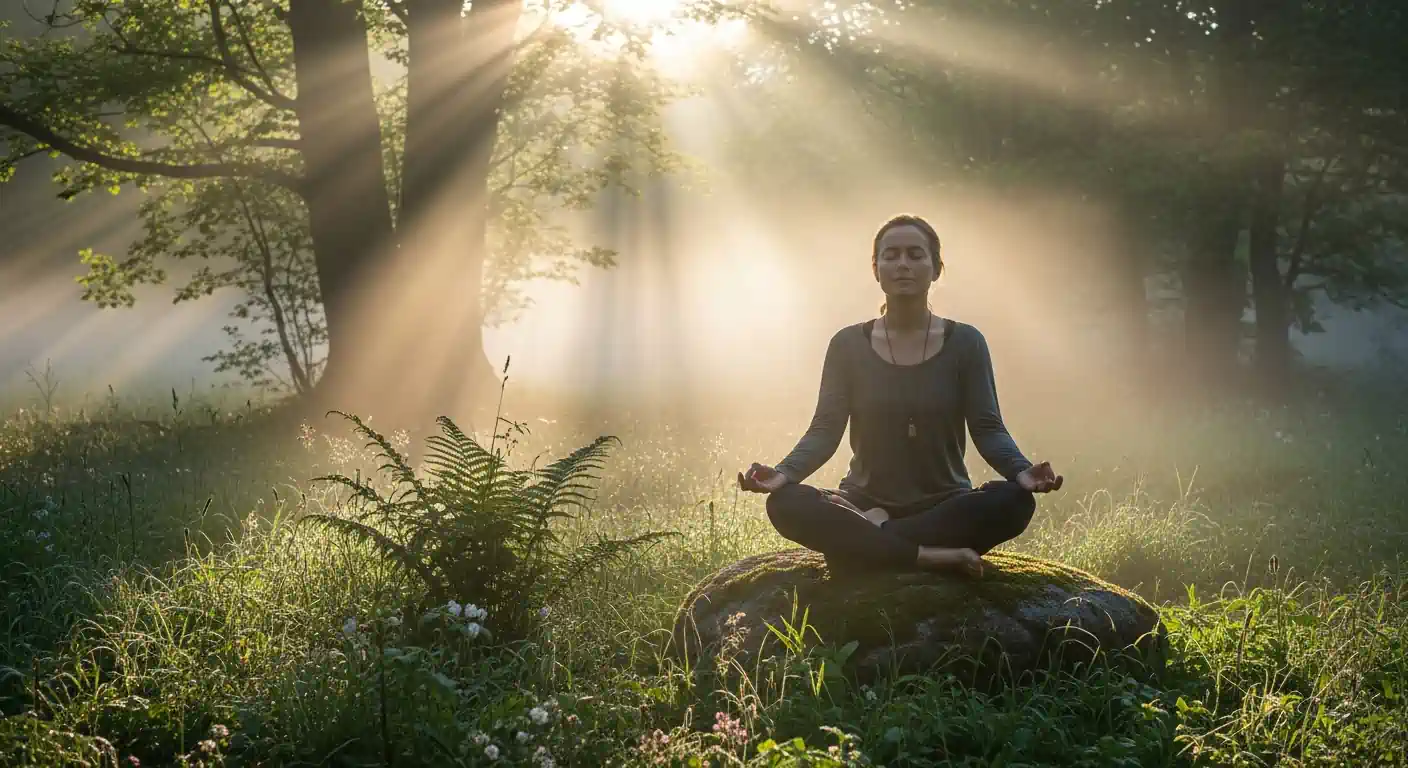
Anxiety, a pervasive emotion in modern life, can manifest as persistent worry, nervousness, and unease. While professional help is crucial for severe cases, numerous natural anxiety relief techniques can empower individuals to manage daily stress and cultivate a sense of calm. This guide explores effective, evidence-based natural ways to manage worry and stress, focusing on actionable strategies you can integrate into your life.
Key Points:
- Mindfulness and Breathwork: Cultivate present moment awareness and utilize controlled breathing to calm the nervous system.
- Physical Activity: Regular exercise is a potent stress reliever and mood enhancer.
- Nutrition and Hydration: Optimize your diet to support mental well-being and reduce anxiety triggers.
- Sleep Hygiene: Prioritize quality sleep for emotional regulation and resilience.
- Social Connection and Self-Care: Nurture relationships and engage in restorative activities.
Understanding Anxiety and Stress
Anxiety is more than just a feeling of worry; it’s a complex response involving physical, emotional, and cognitive symptoms. Chronic stress, often a precursor or co-occurring condition with anxiety, can lead to burnout and impact overall health. Understanding these connections is the first step towards effective management. The human body’s stress response, the "fight-or-flight" mechanism, is designed for short-term threats. However, in our fast-paced world, this response can become chronically activated, leading to persistent feelings of overwhelm and anxiety. Recognizing your personal anxiety triggers is a crucial aspect of developing personalized anxiety relief techniques.
Effective Anxiety Relief Techniques: Natural Approaches
1. Harnessing the Power of Breathwork and Mindfulness
Mindfulness, the practice of bringing non-judgmental awareness to the present moment, is a cornerstone of many natural anxiety relief techniques. By focusing on your breath, you can anchor yourself and interrupt the cycle of anxious thoughts.
Diaphragmatic Breathing (Belly Breathing)
This technique encourages deep, slow breaths that activate the parasympathetic nervous system, promoting relaxation.
- How-to: Lie down or sit comfortably. Place one hand on your chest and the other on your belly. Inhale deeply through your nose, allowing your belly to rise while keeping your chest relatively still. Exhale slowly through pursed lips, feeling your belly fall. Aim for a count of 4 for inhale, 6 for exhale.
- Benefits: Reduces heart rate, lowers blood pressure, and calms the mind. This simple yet powerful technique is one of the most accessible anxiety relief techniques.
Mindful Observation
Simply observing your thoughts and feelings without judgment can create distance from anxious spirals.
- How-to: Find a quiet space. Close your eyes or soften your gaze. Notice the sensations in your body, the sounds around you, and the thoughts that arise. Acknowledge them as temporary events, like clouds passing in the sky.
- Differentiated Value: While many guides focus on eliminating anxious thoughts, mindful observation teaches acceptance, a more sustainable approach to managing persistent worry. Research from the Journal of Consulting and Clinical Psychology (2024) highlights the efficacy of acceptance-based mindfulness in reducing rumination.
2. The Physical Pathway to Calm: Exercise and Movement
Regular physical activity is a powerful, natural stress reliever and a cornerstone for managing worry and stress. It not only burns off excess energy and tension but also releases endorphins, your body’s natural mood boosters.
Aerobic Exercise
Activities like brisk walking, running, swimming, or cycling can significantly reduce anxiety symptoms. Aim for at least 30 minutes of moderate-intensity exercise most days of the week.
- Impact: Aerobic exercise has been shown to be as effective as some medications for mild to moderate anxiety. A 2023 meta-analysis published in The Lancet Psychiatry indicated a strong correlation between consistent physical activity and reduced anxiety levels.
Yoga and Tai Chi
These practices combine physical movement with breath control and mindfulness, offering a holistic approach to anxiety relief.
- Yoga: The gentle stretching and focus on breath in yoga can release physical tension and calm the nervous system.
- Tai Chi: This slow, flowing martial art promotes balance, coordination, and a meditative state.
- Personal Insight: Many find that incorporating gentle stretching into their daily routine, even for just 10 minutes, can prevent tension buildup that might otherwise contribute to anxiety.
3. Nourishing Your Mind: Diet and Hydration
What you eat and drink can profoundly impact your mental state. Optimizing your diet can be a vital part of your anxiety relief techniques.
Balanced Nutrition
Focus on whole, unprocessed foods.
- Include: Fruits, vegetables, lean proteins, and whole grains. These provide sustained energy and essential nutrients for brain health.
- Limit: Processed foods, excessive sugar, and unhealthy fats, which can contribute to mood swings and energy crashes.
The Gut-Brain Connection
Emerging research emphasizes the link between gut health and mental well-being.
- Probiotics and Prebiotics: Foods rich in probiotics (like yogurt, kefir, sauerkraut) and prebiotics (like garlic, onions, bananas) can support a healthy gut microbiome, which may positively influence mood and anxiety. This area is a key focus in understanding holistic well-being, with studies in Brain, Behavior, and Immunity (2025) exploring these connections further.
Hydration
Dehydration can exacerbate feelings of fatigue and anxiety.
- Recommendation: Drink plenty of water throughout the day. Aim for at least 8 glasses, more if you are active or in a hot climate.
4. The Foundation of Well-being: Sleep Hygiene
Adequate, quality sleep is crucial for emotional regulation and resilience against stress. Poor sleep can significantly amplify anxiety symptoms.
Establish a Regular Sleep Schedule
Go to bed and wake up around the same time each day, even on weekends. This helps regulate your body's natural sleep-wake cycle.
Create a Relaxing Bedtime Routine
Wind down before bed with calming activities.
- Examples: Taking a warm bath, reading a book, gentle stretching, or listening to calming music.
- Avoid: Stimulating activities, screen time (blue light can interfere with melatonin production), and heavy meals close to bedtime.
Optimize Your Sleep Environment
Ensure your bedroom is dark, quiet, and cool. Creating a sanctuary for sleep is a non-negotiable aspect of effective anxiety management.
5. Connection and Restoration: Social Support and Self-Care
Nurturing your relationships and dedicating time to activities you enjoy are powerful tools for combating worry and stress.
Social Connection
Spending time with supportive friends and family can provide comfort and perspective.
- Action: Reach out to loved ones, share your feelings, and engage in activities together. Strong social ties are a buffer against stress.
Hobbies and Interests
Engage in activities that bring you joy and help you disconnect from stressors.
- Examples: Gardening, painting, playing music, spending time in nature, or volunteering.
Setting Boundaries
Learning to say "no" to commitments that overextend you is essential for preventing burnout.
- Personal Experience: It can be challenging to set boundaries, but prioritizing your well-being is not selfish; it's necessary for sustained mental health.
Latest Trends and Differentiated Insights
Digital Detox and Mindful Technology Use
In an increasingly connected world, the constant barrage of information can fuel anxiety. Consciously limiting screen time and engaging in digital detox periods is a growing and vital practice. This involves setting specific times for checking emails and social media, and designating tech-free zones or times in your home. This proactive approach to technology management is a modern anxiety relief technique that addresses a prevalent source of stress.
Nature Therapy (Ecotherapy)
Spending time in nature has been scientifically proven to reduce stress hormones and improve mood. Even short periods in green spaces can have a significant impact.
- Differentiated Insight: While often overlooked, incorporating nature-based interventions like forest bathing or simply a walk in a local park can be remarkably effective. Research from the International Journal of Environmental Research and Public Health (2024) strongly supports ecotherapy for anxiety reduction. This taps into our innate connection with the natural world.
Frequently Asked Questions (FAQ)
Q1: How quickly can I expect to see results from natural anxiety relief techniques? A1: Results vary depending on the technique and individual. Some techniques, like deep breathing, offer immediate calming effects. Others, such as regular exercise or mindfulness practice, build benefits over time with consistent application. Patience and persistence are key.
Q2: Are natural anxiety relief techniques safe for everyone? A2: Generally, these methods are very safe. However, if you have underlying health conditions or are on medication, it's always wise to consult with your healthcare provider before making significant changes, especially regarding diet or intense exercise.
Q3: Can I combine natural remedies with conventional anxiety treatment? A3: Absolutely. Many people find great benefit in a holistic approach that combines natural techniques with professional therapy or medication. These natural methods can often complement and enhance the effectiveness of traditional treatments.
Q4: What's the difference between anxiety and everyday stress? A4: Stress is a response to external pressures, often temporary. Anxiety is a more persistent feeling of worry, fear, or unease that can occur with or without an obvious stressor. Natural techniques can help manage both.
Conclusion: Taking Control of Your Well-being
Managing worry and stress is an ongoing journey, and natural anxiety relief techniques offer a powerful toolkit to navigate this path. By incorporating mindfulness, regular movement, a balanced diet, quality sleep, and strong social connections, you can significantly enhance your resilience and cultivate a greater sense of peace. Remember, these are not quick fixes but sustainable lifestyle changes.
What are your favorite natural ways to manage anxiety? Share your insights in the comments below!
For further exploration into enhancing your mental well-being, consider delving into articles on stress management strategies or the benefits of guided meditation for anxiety. These resources can provide additional support and practical advice for your journey towards a calmer, more balanced life.
- Suggested Update Frequency: This content should be reviewed and updated every 1-2 years to reflect the latest research and trends in mental health and wellness.
- Expandable Subtopics for Future Updates:
- The role of specific dietary supplements in anxiety management.
- Advanced breathwork techniques for acute anxiety episodes.
- The impact of digital well-being tools and apps on anxiety reduction.